We're All the PM of Our Own Lives
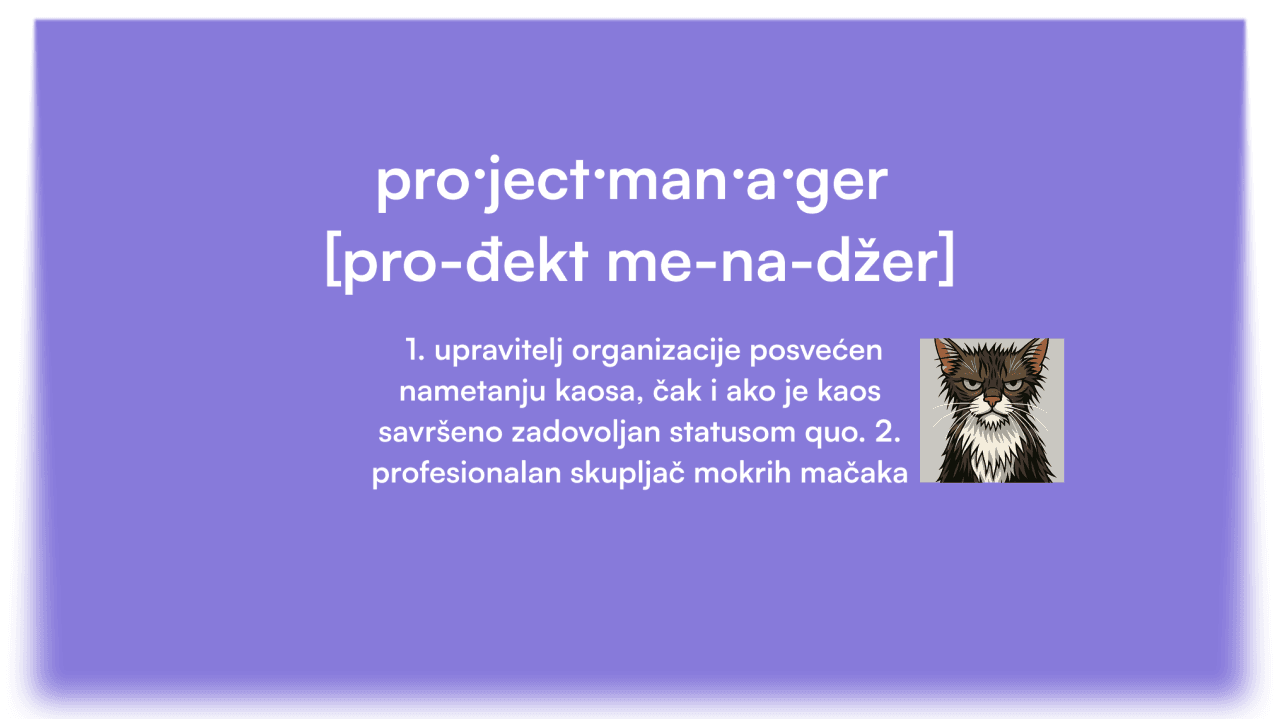
When we hear the term "project management," we often think of spreadsheets, deadlines, reports, and long, tiring meetings (the one colleague who always has one more question).
But the truth is that project management isn't just a business skill. It's a way of thinking we all already use, often without realizing it.
Think about it: every day you plan something, whether it's a trip, a move, a career change, finishing your degree, or everyday tasks like going to the store or driving the kids to all their extracurricular activities.
You set a goal, estimate your resources (time, money, and energy), set deadlines, communicate with your "team" of friends, family, colleagues, or kids, and adjust the plan when things don't go the way you expected.
Congratulations: you've just realized you're a project manager.
In the business world, project management is the tool companies use to turn strategy into reality. According to research published by Harvard Business Review, McKinsey, and Gartner, as many as 78% of strategic initiatives fail to achieve their desired results.
Through well-run projects, we create value, new products, better efficiency, innovation, and happier employees who have a clear idea of why and when we do things.
We asked our Head of Project Management, Belizar Karlović, what a day in his life looks like:
"Write tickets. Talk on the phone. Bang head on desk. Repeat. — Belizar Karlović"
Joking aside, his day consists of working with the team and solving problems via Slack, email, and phone to deal with things that happened overnight. It also includes reviewing analytics and checking project health on dashboards, planning, reviews, retrospectives, talking with developers, asking questions, offering ideas, and understanding what clients think, as well as meetings with clients or departments that have business requirements. Of course, not all of that happens in a single day, but over about two weeks the job would include a mix of all these activities.
The experience of our project manager Kristina Kobrehel Preskar is interesting too. While still a student, she wrote a paper on project management maturity, analyzing how ready organizations are to apply project principles.
Back then she looked at the world through an academic lens. A few years later, she works in the real sector and admits that the difference is huge. In practice, an organization's maturity is measured not only by procedures and standards, but by culture, communication, and the ability to adapt to technological development and constant change.
"At university, I thought maturity meant having rulebooks and plans. Today I see that maturity means people who collaborate, take responsibility, and learn together. — Kristina Kobrehel Preskar"
And this is exactly where project management plays its important role, successfully balancing all the tasks and setting priorities so that everything runs smoothly, without too much stress and too many mistakes.
In our private lives, project management helps us organize the chaos of everyday life and make better decisions. It teaches us how to deal with change, and shows us the importance of planning as well as an agile approach to the situations we find ourselves in. Project management in the broader sense teaches us how to set priorities, communicate, manage risks, and learn from mistakes: skills that apply in every situation in life.
So the next time you successfully juggle work, workouts, family, and personal goals, remember: you're not just an employee, a parent, or a student. You're the project manager of your own life.
What do you think? Do you apply project management principles in your private life too? Share how it helps you (or doesn't) with everyday challenges.

Notus