A Bridge Between Philology and ERP
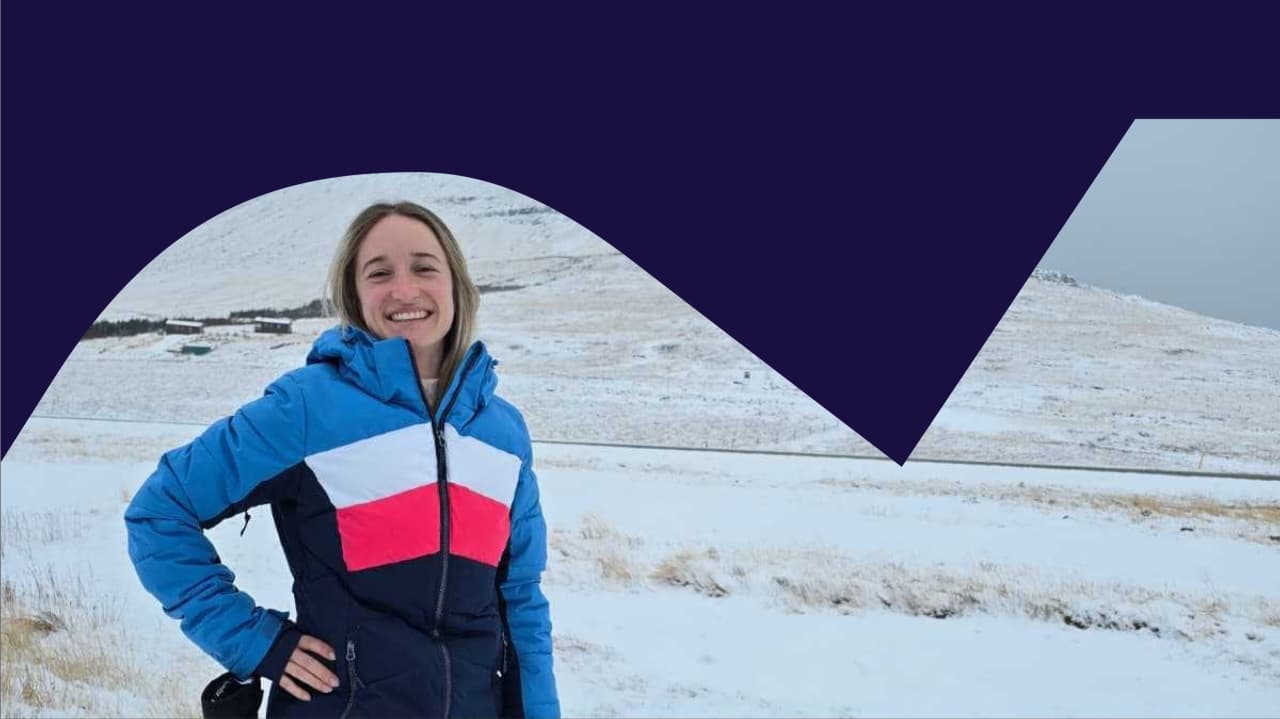
How did a graduate in Czech and Turkish language and literature become an ERP specialist, and what helped her along the way?
When she tells people, she holds a master’s degree in Czech and Turkish language and literature but now works as an ERP specialist, the reaction is almost always the same: bewilderment. Everyone wants to know how someone gets from philology to business systems, an industry with almost nothing in common with her field of study. The answer is less dramatic than it sounds. For our Mihaela Korman Koren, the move wasn’t a happy accident but the result of curiosity and some additional training.
A Career Change by Design
At a previous job, she grew interested in business systems and began exploring the possibilities. She decided to pursue further training, and the effort paid off. What she learned in her philology studies didn’t get left behind.
The humanities and social sciences, she says, put a premium on communication, linguistic expression, understanding a message and spotting patterns, and these are skills she uses every day. Consulting, she explains, is first and foremost about working with people: communicating, making sense of complex topics and picking out the key messages in conversations with clients and colleagues.
Day One: “Not Ready at All”
Asked whether she felt ready on her first day as a junior, she answers honestly: not at all. Her confidence was low because everything was new, and she worried that colleagues would look down on her for coming from a different background. Surrounded by people with years of experience, she felt it would take her several years to master everything she needed to know. In the end, she realized that nothing is impossible with enough willingness and commitment.
The biggest surprise was how little in ERP can be overlooked. Business processes are tightly interwoven, and some break at the very first step while the consequences only show up at the end. Getting something to “just work” takes a great deal of analysis, testing and thinking through every possible scenario.
Learning by Doing
In just two years, she went from junior to ERP specialist, a role in which she can now help support more junior colleagues. She credits her growth to getting involved in projects rather than simply watching more experienced colleagues. Active involvement creates a sense of ownership that pushes you to think through every scenario, test thoroughly, find the gaps and come up with solutions for situations that don’t fit the “out of the box” mold.
She doesn’t point to a single turning point. Every project is different and brings its own challenges, and it’s only together that they form the whole mosaic. The same goes for her workdays: “typical” is a word that doesn’t exist in this job. Each day starts with a plan and ends up somewhere completely different, which, she says, is part of its charm. Her days are filled with phone calls, reviewing tickets, testing, writing development specifications, consulting with colleagues, reviewing plans and planning ahead.
What still delights her most are solutions that work for the client and shorten their existing way of working while meeting every necessary requirement. She considers her greatest achievement to be processes that run smoothly thanks to a well-configured system.
Supporting Younger Colleagues
She doesn’t take the title of mentor lightly and wouldn’t dare call herself one. Still, teaching isn’t new to her, as she’s played similar roles in previous jobs. She’s still learning how to give concise answers and how to explain a complex topic vividly to someone encountering it for the first time.
The key, she believes, is understanding how a colleague thinks and what path led them to their question. She often finds that she thought she understood a question, only to discover it was about something else entirely. That’s why active listening matters, and why it’s important not to assume too early that you know the answer.
With a new colleague, she wants to first show interest, approachability and a willingness to help, whether or not she knows the answer. This, she believes, is the foundation of good collaboration and open communication. She also avoids giving answers that are too brief, preferring to point people in the right direction and get them thinking. And if a newcomer keeps making mistakes she once made herself, she’ll let them know.
“It’s up to them whether to take the advice, but it’s up to me to warn them about the things I learned the hard way”
She leaves it to her colleagues to say what they value most in her. She admits she’s learned a great deal from every working relationship: each new person brings a fresh perspective, new questions and new solutions.
Advice for Anyone Considering the Leap
To those who feel “too young” or “not experienced enough,” she says: let go of those thoughts and pursue what interests you, because anyone can master any field if they’re interested enough.
She draws a clear line between technical knowledge and soft skills. Technical know-how matters most in internal conversations with colleagues, while soft skills are essential with clients who don’t know the technical side but know their own processes inside out. You shouldn’t bombard them with jargon; instead, ask what they do, how they do it and how they’d like to do it.
Switching Off
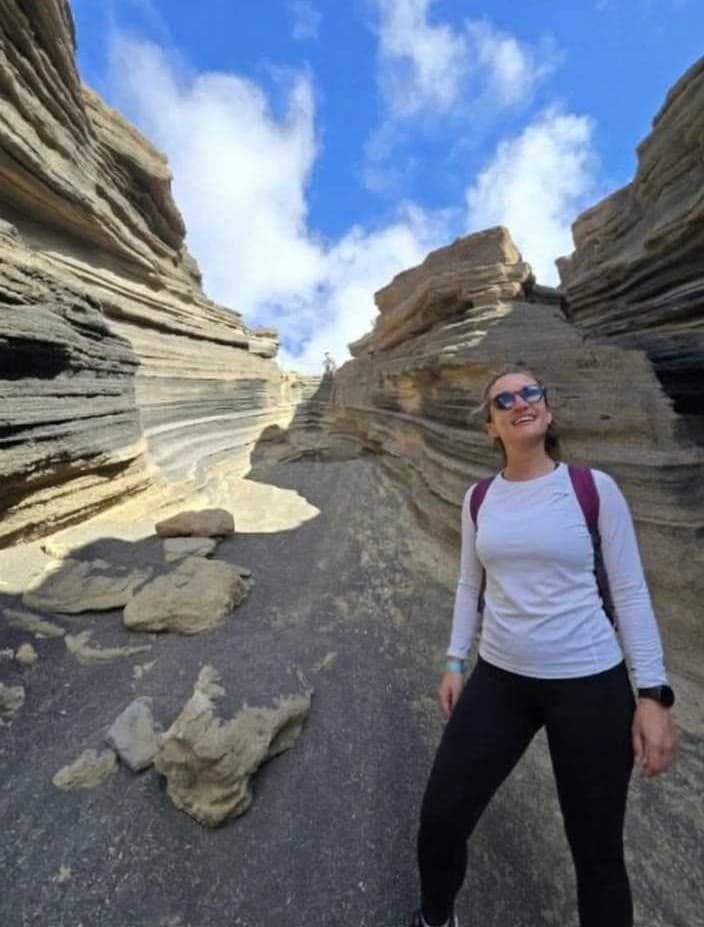
Her free time is lively. She can plan so many activities for a single weekend that it would take a week to get through them all. She loves walking, hiking, traveling, cooking and spending time with people she cares about. A day without her morning coffee is unthinkable.
Many people would be surprised to learn that she also loves solitude. She comes across as a real extrovert, but she treasures the moments when she can be alone and gather her thoughts.
Of the languages she studied, one phrase has stayed with her: the Turkish Kolay gelsin!, which is hard to translate. The closest equivalent, she says, is “May your work go easy!”
What’s Next
Looking ahead, she wants to reach the point where she can lead projects on her own: planning, delivering, and organizing the team and its activities. That goal is also her answer to the question of where she sees herself in five years.
We see her future exactly where she does: at the helm of projects, with a team that learns from her and from whom she continues to learn. Until then, in the best spirit of the languages she studied, we wish her one thing: Kolay gelsin, Mihaela!

Notus